Getting the perfect cut is tough when you have the wrong saw blade. This wastes time, materials, and money. Let me help you choose the right one every time.
Choosing the right number of teeth1 depends on your material's type and thickness. Use more teeth for a fine, smooth finish on thin or hard materials. Use fewer teeth for a fast, rough cut on thick or soft materials. It's a balance between speed and quality.
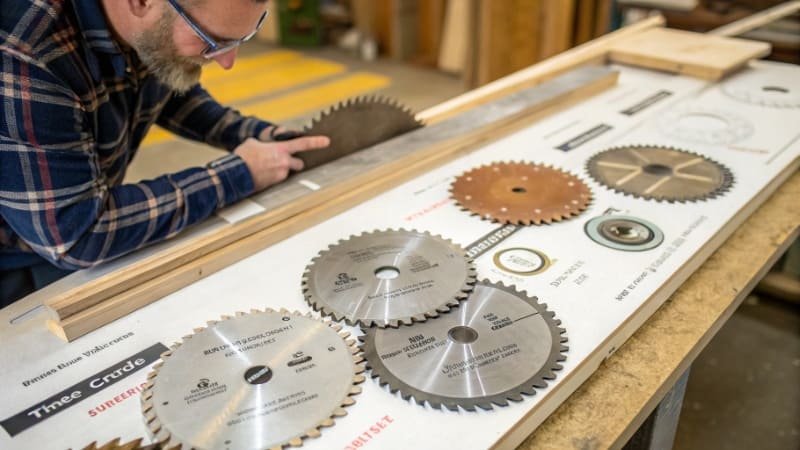
Choosing a saw blade can seem complicated. You see all these numbers for teeth, diameter, and material. It feels like you need to be an engineer to get it right. But it's actually much simpler than it looks. You just need to understand a few basic ideas. Once you know what to look for, you'll be able to pick the perfect blade for any job. Let's break it down so you can cut with confidence.
What Core Factors Determine the Right Tooth Count?
Choosing a blade can feel like a guess. Guessing wrong leads to poor cuts and damaged blades, which costs you money. Let's look at the key factors for a perfect choice.
The main factors are the material you're cutting, its thickness, the saw blade's diameter, and your desired balance between cutting speed and finish quality. Matching these ensures optimal performance and a longer blade life.
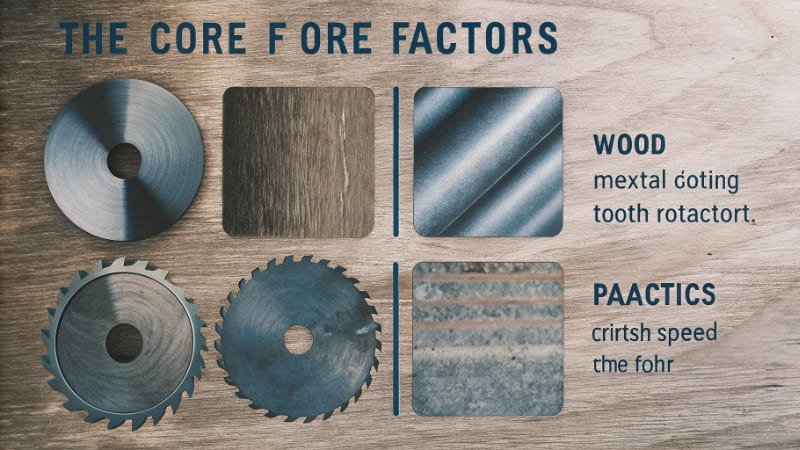
When I help my customers, I always start with four basic questions. These questions help us find the perfect tooth count. First is the material. Cutting hard steel is very different from cutting soft aluminum. Hard materials need more teeth to take smaller bites. This reduces stress on each tooth. Soft materials need fewer teeth with bigger gaps between them. These gaps, called gullets2, help clear away the larger chips. Second is the material's thickness. A good rule is to have at least two or three teeth in the material at all times. So, thin materials need blades with more teeth packed closely together. Thicker materials need fewer, larger teeth to avoid clogging. Third is speed versus finish. If you need to cut a lot of material quickly, a blade with fewer teeth is better. If you need a clean, smooth finish, you need a blade with more teeth. Each tooth takes a smaller chip, leaving a nicer edge.
Here is a simple table to help you remember:
| Factor | Your Goal | Choose This Tooth Count |
|---|---|---|
| Material Type | Cutting Hard Steel or Metal | Higher Tooth Count |
| Cutting Soft Aluminum or Wood | Lower Tooth Count | |
| Material Thickness | Cutting Thin Sheets or Pipes | Higher Tooth Count |
| Cutting Thick Blocks or Beams | Lower Tooth Count | |
| Desired Result | A Fast, Rough Cut | Lower Tooth Count |
| A Slow, Smooth Finish | Higher Tooth Count |
Why Does My New Blade Perform Worse Than the Old One?
It's frustrating when a brand-new blade underperforms. You spend money expecting good results, but the cuts are terrible. The reason might not be a bad blade, but a simple mismatch.
Often, poor performance comes from using the wrong blade for the job. A blade designed for thin material will fail quickly on thick material. This mismatch causes premature wear, sticky teeth3, and bad cuts.
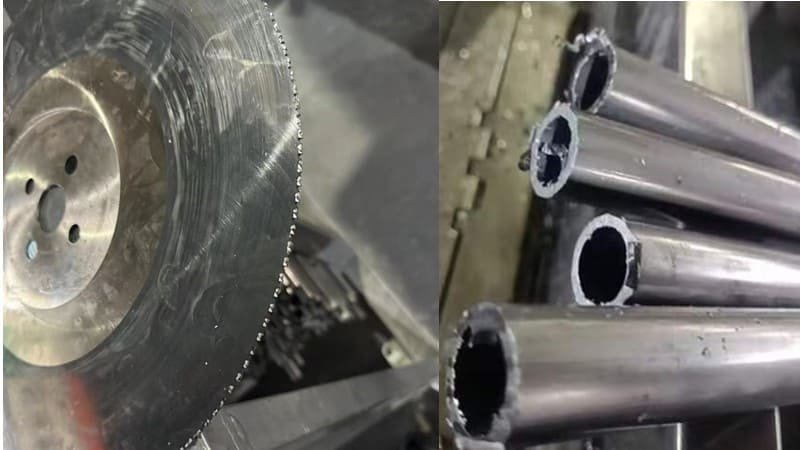
I have a story that explains this perfectly. I have a customer who has bought saw blades from my factory for years. He called me one day, and he was not happy. He said, "Your new blades are not good. My old blades could cut 5,000 stainless steel pipes. This new batch only cuts 2,000 before the teeth get sticky and stop cutting." I was very surprised because we hadn't changed anything in our process. So, I started to investigate. I asked him to send me photos of the blades and the pipes he was cutting. I also asked him to confirm all the details of the job. He told me he was cutting 0.8mm thick steel pipe, just like always. But after we talked more, I found the real problem. His company had started a new project. They were now cutting 1.2mm thick pipe, not 0.8mm. The blade we sent was perfect for 0.8mm pipe. But for 1.2mm pipe, it was the wrong tool. The teeth were too small and close together. The gullets couldn't clear the chips from the thicker material fast enough. This created extra heat and friction, which made the teeth sticky and dull. It's a great reminder to always double-check that your blade matches your exact material.
Could Installation Be Ruining Your Saw Blade's Performance?
You chose the right blade, but the cuts are still bad. This makes you question the blade's quality and your machine. The problem might be a very common and simple mistake.
Yes, improper installation4 can definitely ruin blade performance. Clamping the saw blade too tightly or too loosely is a frequent issue. This causes wobbling, friction, and damage, leading to poor and unsafe cuts.
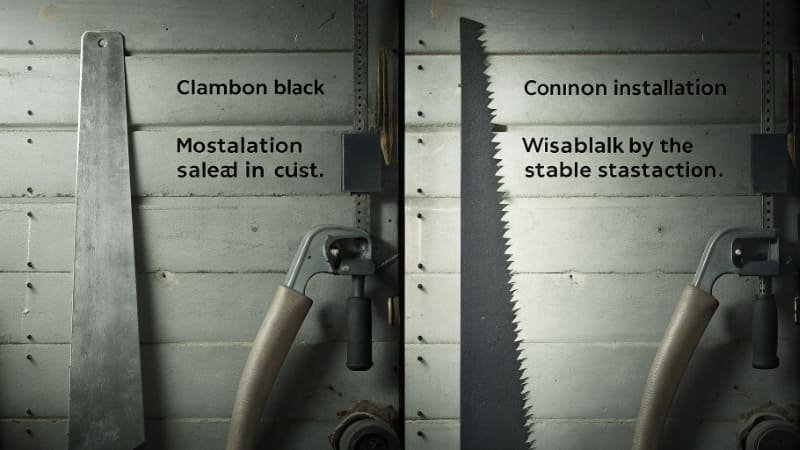
While I was helping that same customer with the sticky teeth, I saw another problem in the photos he sent me. There were strange grinding marks on the flat surface of the blade, near the center hole. This was a clear sign of another issue. The operator who installed the blade had tightened the clamping flange5 way too much. This extra pressure can actually bend or warp the blade's body just a little bit. It might not be visible, but it has a big effect on the cut. A blade that isn't perfectly flat will not cut straight. This problem is very common. The clamping device is just as important as the blade itself. If it's too tight, you get heat and warping. If it's too loose, the blade will vibrate or wobble. This is not only bad for the cut quality, but it's also very dangerous. It puts uneven stress on the teeth, which can cause them to chip or break. Always make sure the blade is secure, but not overtightened. Following the machine's torque guidelines6 is the best way to get it right.
Here is what to look for:
| Clamping Issue | Signs to Look For | The Unwanted Result |
|---|---|---|
| Too Tight | Grinding marks on blade surface, extra heat | Warped blade, poor cuts, shorter life |
| Too Loose | Loud vibration, rattling noise, rough finish | Inaccurate cuts, chipped teeth, a serious safety risk |
Conclusion
Choosing the right teeth, matching the blade to the actual material, and proper installation are key. Get these three things right, and you will get a perfect cut every time.
Understanding how to select the correct number of teeth for your saw blade is crucial for achieving the desired cut quality and efficiency. ↩
Understanding the role of gullets in saw blades can help you choose the right blade for efficient chip clearance and better cuts. ↩
Preventing sticky teeth on saw blades can save you from poor cuts and frequent replacements. Learn how to avoid this issue. ↩
Improper installation can ruin your saw blade's performance. Discover how to install it correctly for the best results. ↩
Understanding the clamping flange's role can help you avoid common installation mistakes that affect blade performance. ↩
Following torque guidelines ensures your saw blade is installed correctly, preventing damage and ensuring safety. ↩
